
Food allergies and intolerances affect millions of people worldwide. While they share similar symptoms, they are distinct conditions that require different approaches to management. Understanding the differences, identifying common allergens and intolerances, and knowing how to effectively manage them is crucial for individuals and their loved ones.
Understanding Food Allergies
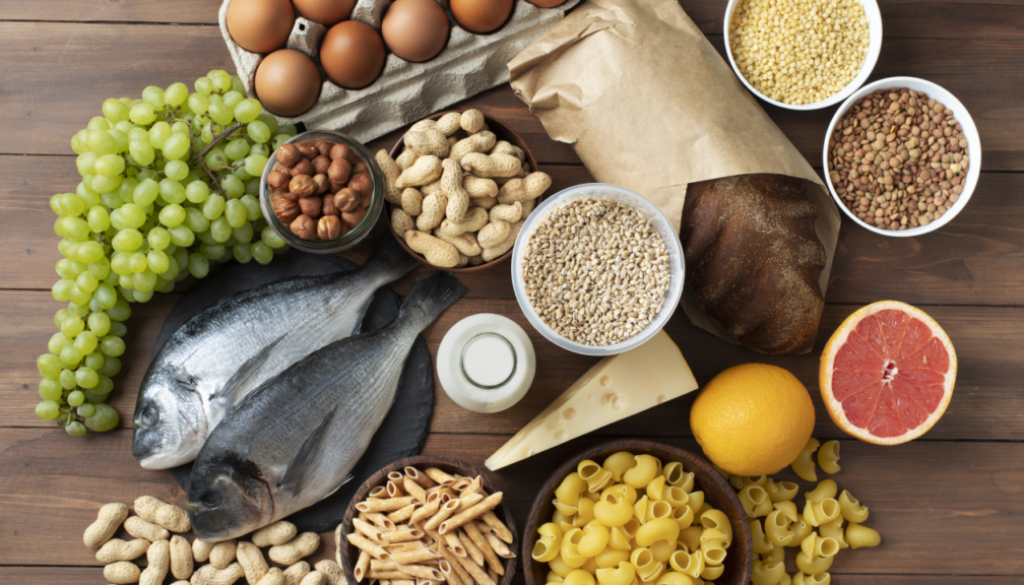
Food allergies occur when the immune system mistakenly identifies certain proteins in food as harmful invaders, triggering an immune response. The body releases histamine and other chemicals, leading to a range of symptoms that can vary from mild to severe. Common food allergens include peanuts, tree nuts, milk, eggs, fish, shellfish, soy, and wheat.
Symptoms of food allergies may include:
- Skin reactions (hives, itching, eczema)
- Digestive problems (nausea, vomiting, diarrhea)
- Respiratory issues (coughing, wheezing, shortness of breath)
- Swelling of the lips, tongue, or throat
- Anaphylaxis (a severe and potentially life-threatening reaction)
Identifying Food Intolerances
Food intolerances, on the other hand, do not involve the immune system. They occur when the body lacks certain enzymes or chemicals needed to properly digest certain foods, leading to digestive discomfort. The most common food intolerances are lactose intolerance (inability to digest lactose, found in milk and dairy products) and gluten intolerance (also known as celiac disease, a reaction to gluten found in wheat, barley, and rye).
Symptoms of food intolerances may include:
- Digestive issues (bloating, gas, diarrhea, abdominal pain)
- Nausea or vomiting
- Headaches
- Fatigue or brain fog
Managing Food Allergies and Intolerances
If you suspect you have a food allergy or intolerance, it is essential to consult with a healthcare professional for proper diagnosis and guidance. They may recommend various diagnostic tests, such as skin prick tests, blood tests, or elimination diets, to identify the specific allergen or intolerant food.
Once diagnosed, managing food allergies and intolerances involves taking specific precautions and making necessary dietary adjustments. Here are some strategies to consider:
- Read food labels: Always read ingredient lists carefully to identify potential allergens or intolerant foods. Manufacturers are required to clearly state if common allergens are present in their products.
- Avoid cross-contamination: For those with severe allergies, it is important to prevent cross-contamination during food preparation. Separate utensils, cutting boards, and cooking surfaces should be used for allergen-free meals.
- Carry medication: Individuals with severe food allergies should carry an epinephrine auto-injector (e.g., EpiPen) prescribed by their doctor. This can be life-saving in case of an anaphylactic reaction.
- Seek alternatives: Many allergen-free or gluten-free alternatives are available in the market today. Explore options such as plant-based milk, gluten-free grains, and allergen-free snacks to ensure a balanced diet.
- Educate others: Inform family members, friends, and colleagues about your food allergies or intolerances. Encourage open communication to prevent accidental exposure to allergens.
- Seek support: Joining support groups or online communities can provide valuable resources, tips, and emotional support from individuals facing similar challenges.


